Magic Wishful Font Review
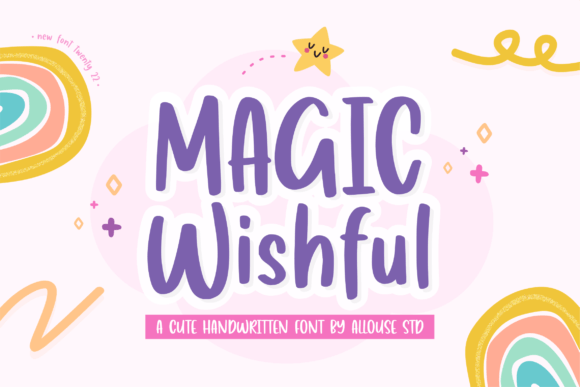
Choosing the right font for a project can feel like selecting the perfect accessory to complete an outfit—something that adds character without overwhelming the rest. When I was redesigning the header for a lifestyle blog focused on mindfulness and self-care, I turned to Magic Wishful, a sweet and adorable handwritten display font that exudes a cheerful personality. Its whimsical charm made it an ideal match for the site’s tone, offering a soft yet distinctive presence that felt both inviting and professional.
Magic Wishful for Blog Headers and Editorial Branding
Magic Wishful is a display font that thrives in visual storytelling. Its handwritten style brings a personal touch to editorial branding, making it particularly effective for blog headers, social media graphics, and newsletter banners. In my experience, it works best when used sparingly, as its expressive nature can quickly become overwhelming if overused. For the lifestyle blog, I paired it with a clean sans serif font for the body text, creating a balanced contrast that enhanced readability while maintaining a cohesive brand identity.
The font’s rhythm and spacing make it suitable for short headlines and decorative accents. It has a gentle flow that feels natural, almost like a handwritten note, which adds warmth to any design. This makes it a great choice for content that aims to feel approachable and authentic, such as wellness guides, creative journals, or seasonal promotions.
Magic Wishful for Recipe Ebooks and Digital Magazines
When I was designing a recipe ebook for a small food blog, I wanted a font that could capture the playful energy of the content without sacrificing clarity. Magic Wishful fit the bill perfectly. Its cheerful personality added a sense of fun to the title pages and section headings, making the ebook feel more engaging and less formal. The font’s legibility at larger sizes made it ideal for chapter openers and pull quotes, where visual impact is key.
In digital magazines, Magic Wishful can be used to highlight key sections or introduce new features. Its handwritten aesthetic pairs well with illustrations and photographs, helping to create a more immersive reading experience. However, I found that it’s best reserved for titles and subheadings rather than long-form text, as its stylistic elements can reduce readability when used in dense paragraphs.
Magic Wishful for Wedding Guides and Creative Workbooks
For a wedding guide designed for couples planning their big day, Magic Wishful added a romantic and elegant touch. Its soft curves and playful flourishes complemented the theme of celebration and love, making it an excellent choice for cover text, section headings, and decorative accents. The font’s versatility allowed it to work across different design elements, from invitations to printable checklists, without feeling out of place.
In creative workbooks, Magic Wishful can be used to break up content and add visual interest. Whether it’s for a journaling guide, a DIY crafting manual, or a coaching workbook, the font helps to maintain a consistent and cohesive look. Its readability at medium to large sizes ensures that it remains accessible, even when used in more complex layouts.
Magic Wishful for Newsletter Graphics and Social Media
When I was updating a weekly newsletter for a small business, I experimented with using Magic Wishful for the main headline and pull quotes. The result was a fresh and dynamic look that stood out from the usual typography. Its handwritten style gave the newsletter a more personal feel, which resonated well with the audience.
On social media, Magic Wishful can be used to create eye-catching graphics for posts, stories, and promotional content. Its cheerful personality makes it ideal for campaigns that aim to evoke joy and positivity. However, it’s important to test the font on different platforms and screen sizes to ensure that it maintains its legibility and visual appeal across all devices.
Magic Wishful for Print and Digital Downloads
When considering Magic Wishful for print materials, such as flyers, brochures, or printed guides, I found that it performs well when used in larger formats. Its handwritten style adds a tactile quality that enhances the overall design. However, for smaller print items like business cards or labels, I recommend using a more refined version of the font or pairing it with a simpler typeface to avoid visual clutter.
For digital downloads, such as printable planners or course PDFs, Magic Wishful can be used effectively for titles, headings, and decorative elements. It’s important to check the font’s licensing terms before using it in commercial projects, as some fonts may have restrictions on distribution or modification. Additionally, ensuring that the font includes all necessary styles, alternates, and ligatures will help maintain consistency across different design applications.